
Blogs
28-08-2026
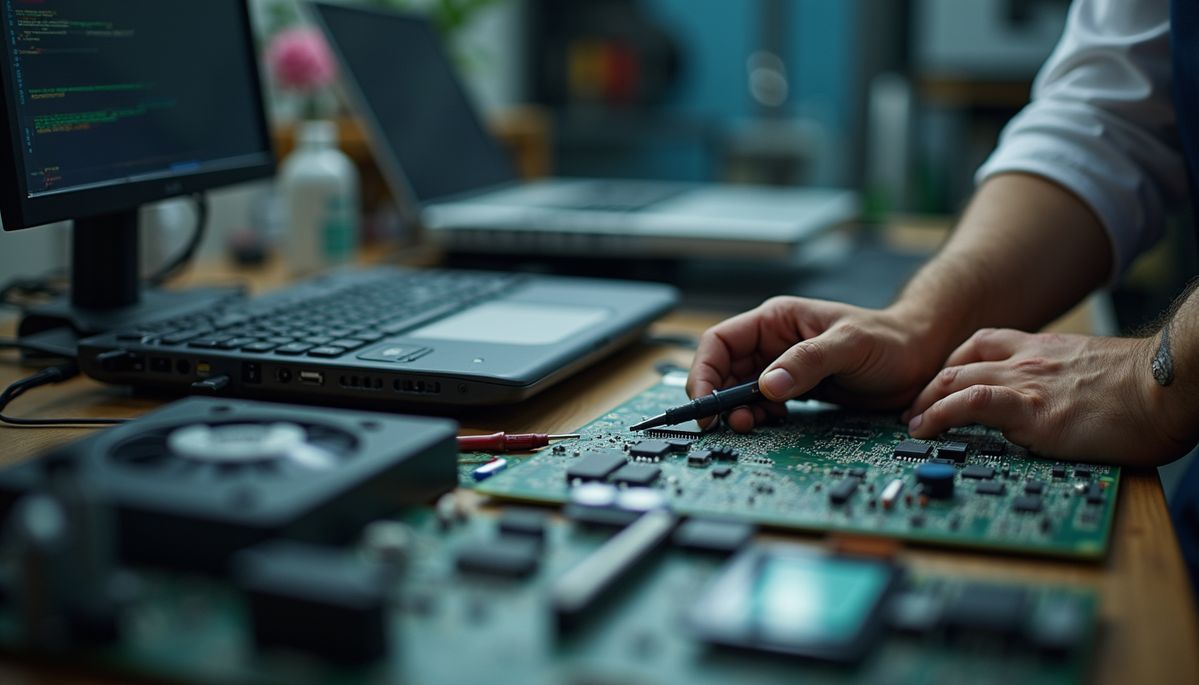
If you are planning to build a career in the computer repair industry, understanding laptop repairing course fees is an important first step. Laptop repair is a practical skill that can help you find opportunities in service centers, computer shops, technical support, or even start your own repair business.
The cost of a laptop repairing course can vary depending on the institute, course duration, training level, practical facilities, and syllabus. Basic courses are generally more affordable, while advanced chip-level and motherboard repair programs may have higher fees because they include specialized practical training.
Several factors can influence the total cost of a laptop repairing course.
Short-term laptop repair courses usually have lower fees, while longer programs covering advanced troubleshooting and motherboard repair may cost more. Before enrolling, check whether the course provides enough practical training for the duration.
The syllabus is another major factor affecting laptop repairing course fees. A basic course may cover laptop components, operating systems, hardware replacement, and common troubleshooting.
Advanced courses may include:
Laptop motherboard repair
Chip-level repairing
Circuit analysis
SMD component identification
IC testing and replacement
BIOS programming
Power section troubleshooting
Charging circuit repair
Short-circuit detection
Display and backlight troubleshooting
A broader syllabus generally requires more training time and specialized equipment.
Before comparing fees, understand the type of course you need.
A basic course is suitable for beginners who want to understand laptop hardware and common software problems. Training may include laptop disassembly, component identification, hardware replacement, operating system installation, and basic troubleshooting.
An advanced course is designed for students who want to work on laptop motherboards and difficult hardware faults. It may include chip-level repair, circuit tracing, voltage testing, BIOS programming, soldering, and motherboard troubleshooting.
Because advanced courses require specialized equipment and extensive hands-on practice, their fees can be higher than basic courses.
When comparing laptop repairing course fees, don't look at the price alone. Check what is included in the training package.
A good course may provide:
Practical laptop repair training
Experienced trainers
Training on real laptop motherboards
Hardware and software troubleshooting
Basic electronics knowledge
Chip-level repair training
Access to repair tools and equipment
Course materials
Practical assignments
Certification after completion
Career guidance
The exact facilities vary between training institutes, so always check the course details before making a decision.
Laptop repairing is a hands-on profession. Reading about laptop components is useful, but practical experience is essential for developing troubleshooting skills.
During practical training, students can learn how to use tools such as a digital multimeter, soldering equipment, hot-air rework station, DC power supply, and other diagnostic tools.
Practical exposure can help students understand how to identify faults, test components, and repair different laptop problems confidently.
For people interested in electronics, computers, and technical work, laptop repair training can be a valuable career skill. The increasing use of laptops in education, offices, businesses, and personal use creates an ongoing need for maintenance and repair services.
After completing suitable training, you can explore opportunities as a:
Laptop Repair Technician
Computer Hardware Technician
Chip-Level Repair Technician
Service Center Technician
Technical Support Technician
Motherboard Repair Technician
Self-employed Laptop Technician
You can also combine laptop repairing with mobile phone, desktop, and other electronics repair skills to expand your services.
Instead of choosing an institute only because it offers the lowest laptop repairing course fees, compare the overall value of the training.
Consider:
Course syllabus: Make sure important laptop hardware and troubleshooting topics are included.
Practical classes: Check how much hands-on training is provided.
Training equipment: Ask whether students get practical access to professional repair tools.
Trainer experience: Experienced trainers can provide useful guidance during difficult repairs.
Course duration: Choose a duration that gives you enough time to practice.
Certification: Check whether a certificate is provided after successfully completing the course.
Career support: If you are looking for employment, ask whether the institute provides placement or career guidance.
The right laptop repairing course fees should be considered as an investment in your technical skills and career. Whether you are a beginner or already working in electronics repair, choosing a course with a strong practical syllabus can help you develop valuable laptop troubleshooting and repair skills.
Before enrolling, compare institutes, course content, practical facilities, duration, and overall training quality. Choose a program that provides the skills and practical experience you need to move toward a successful career in laptop repairing.